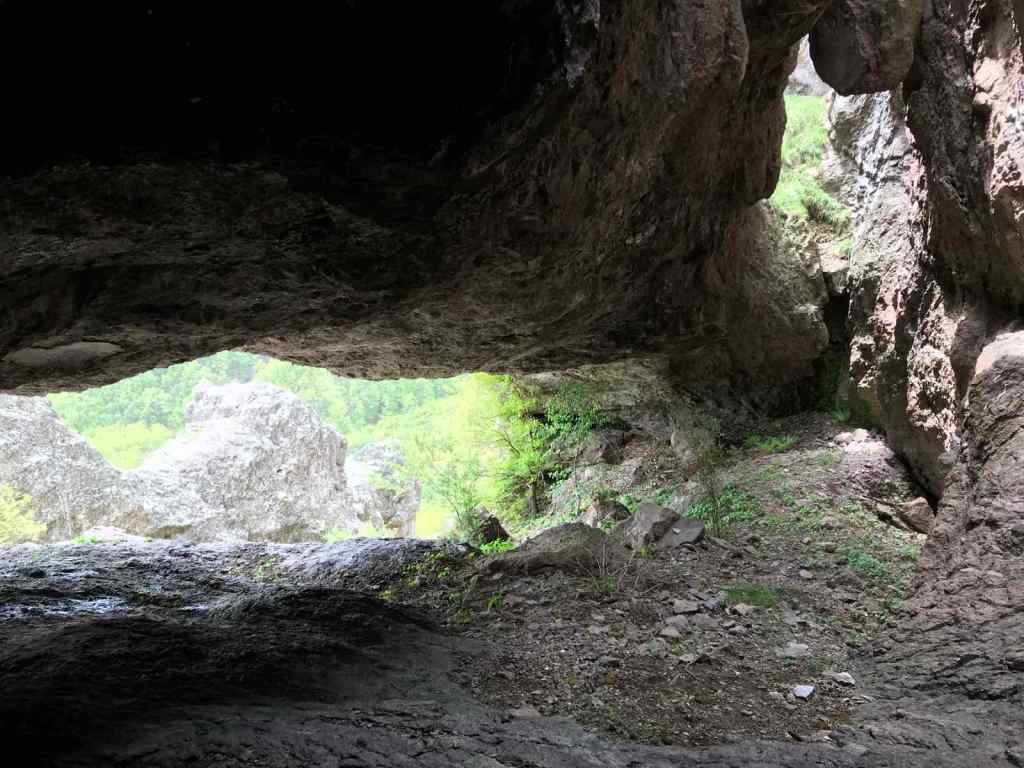
Plato’s Allegory of the Cave illustrates the human struggle with change and discomfort. In the story, prisoners are chained to a wall in a dark cave, and their only reality consists of the shadows projected in front of them. These shadows represent the familiar and the known. When one prisoner is freed and steps into the world of light and reality, he is initially overwhelmed and resists the new world. The truth is blinding, and comfort—the shadows in the cave—is much easier to accept. When he returns to free the others, they scorn him, preferring the safety of their known world. After all, it’s much easier to remain in the cave than face the unknown.
Plato’s allegory reveals a deep truth about human nature: we tend to cling to what is familiar, often avoiding the challenges and discomfort of growth. But why is the comfort zone so powerful?
Comfort zone is the easy choice. I once read a post on the Internet that says “Don’t change. Just be yourself and whoever sticks around is meant for you” and I believe this is the worst advice ever. I know people who haven’t changed in years. They still talk about people and events from the past. People who hate their jobs but been working there for years, people who never grew emotionally, people who still play the victim because of past traumas. That is not sexy, ok? That doesn’t make you interesting or hot. Sticking to the past is the easy choice. Grow up and step out of your comfort zone. Make a change, start a new hobby, quit that mentally-draining job, break up with that toxic man whose actions are below the bare minimum, GO TO THERAPY. People are always complaining about life – You’re not meeting the love of your life? Maybe because you spend your entire day bedrotting and never go out. You don’t have money? Maybe you should find a job. You feel emotionally-drained because of that ex you keep going back to? Maybe you have no self-respect. Work on those things. Read books about self-development, watch podcasts, TEDtalks, go find a therapist, start journaling, go spend some time in nature, express your feelings creating art. There are so many ways to make a change. Discomfort, failure, the future are all scary. But only when you step out of your cave, you can make a change and make your life better. Small steps make the best change.
Comfort is Addictive. The more we spend our life only doing our everyday tasks, the more we like it that way. The routines we establish create a sense of mastery and control. The mental energy required to face the unknown is far greater than what’s needed to maintain the status quo. Modern conveniences reinforce this tendency. Technology, entertainment, and consumer culture all make it easier to stay within the bubble of comfort. The more we spend our lives like that, the lazier we become. That’s because we like having habits and a routine. If we stick to that routine, there’s no discomfort. If we don’t leave the house, we don’t face challenges. If we don’t start that new thing, there’s no way to fail. This gives us safety. Comfort might feel good in the moment, but it leads to dissatisfaction in the long run. Staying the same won’t change our lives. We won’t develop new skills therefore we can’t restart our lives.
Why We Must Step Out of the Cave?
Comfort limits our growth, perspectives and opportunities. True development requires change and discomfort. When we step out of the cave, we are exposed to new people, ideas, perspectives, opportunities and adventures. Once we realise this, there is no going back. If we make a small step every day, then we are closer to achieving our goals and dreams. And it becomes easier. The closer you get, the more motivated you become. Facing challenges is how we find our true capabilities, how we develop resilience, and gain wisdom.
This is the only way we can see our potential. Staying the same will only affect our mental health in a negative way – we start comparing ourselves and feel envious of other people’s successes. But instead of getting jealous over other people’s achievements we should start getting inspired. If we see that he or she did it then that means we can do it too. That person is proof that this thing is possible.
As much as our instincts urge us to seek comfort, true happiness lies in confronting the challenges that come with growth and change.
Instead of saying, “Plato, let me back into the cave,” we should be asking ourselves, “What can I learn outside it?” Because that’s where life, in all its complexity and beauty, truly begins.

 Content Creator and Strategist / Copywriter